
Hard water
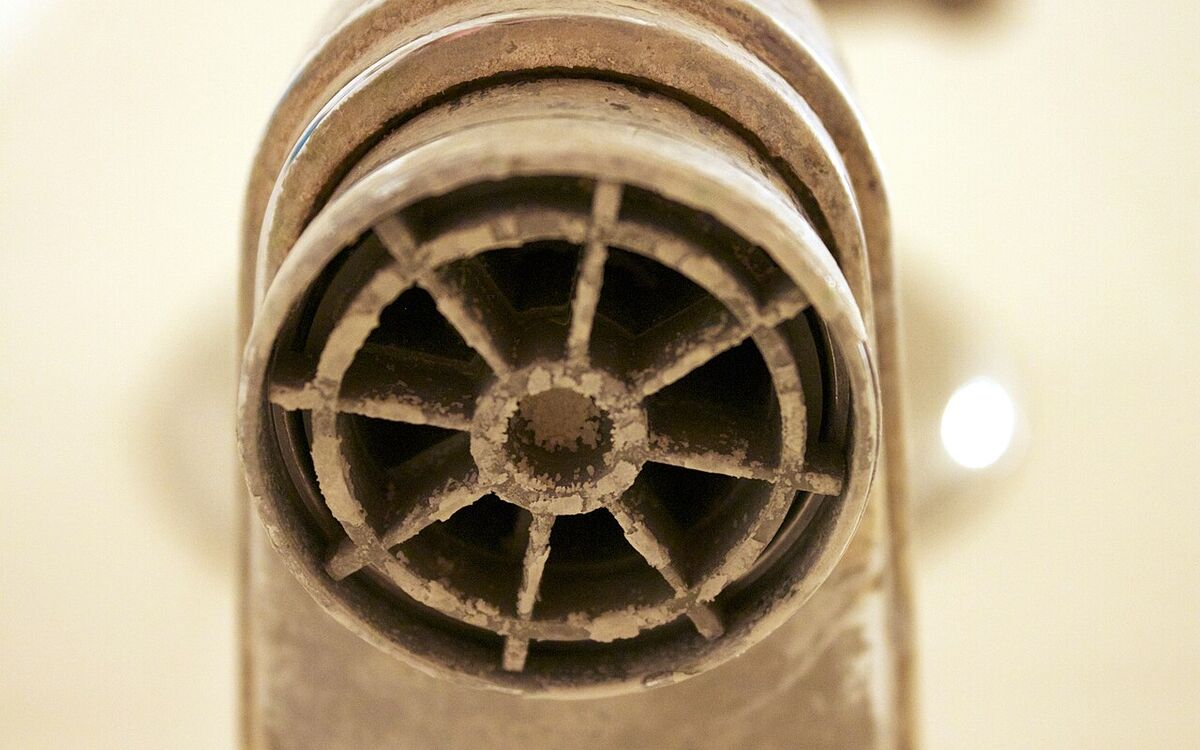
The problem
Hard water leaves limescale in pipes, water heaters and appliances, wastes detergent and dries skin and hair.
Our solution
We install a water softener that exchanges calcium and magnesium for ions that do not form scale. The unit regenerates automatically with softener salt, which we can also supply.
Price
Price depends on water quality, required capacity and installation scope. We prepare an exact quote after a water analysis or site details.
Service area
We are based in Tartu County (Rehepapi põik 3, Soinaste küla, Kambja vald) and mainly serve Tartu and Harju counties – Tartu, Tallinn and the surrounding areas. We also travel to sites anywhere in Estonia.
More solutions
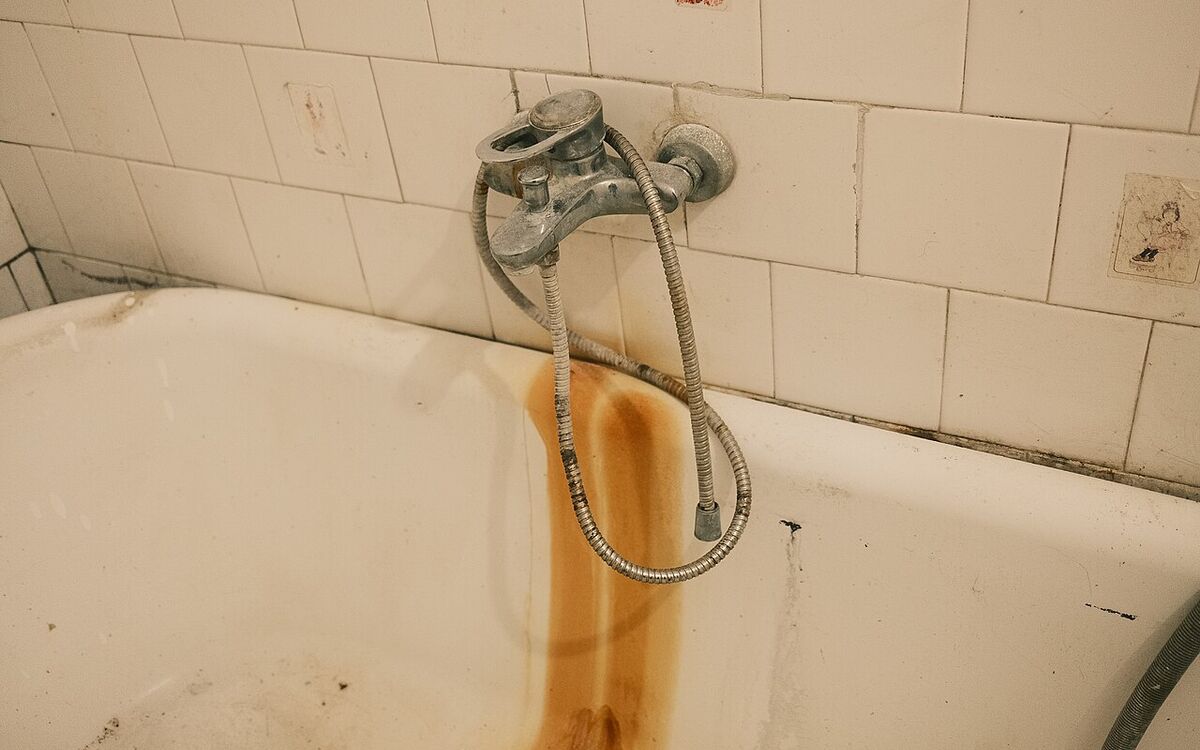
Iron-rich water
Well and borehole water often contains iron.
Learn more →
Water with unpleasant smell or taste
Sulphur, iron or musty smells and tastes come from substances in the water that the right filter can remove.
Learn more →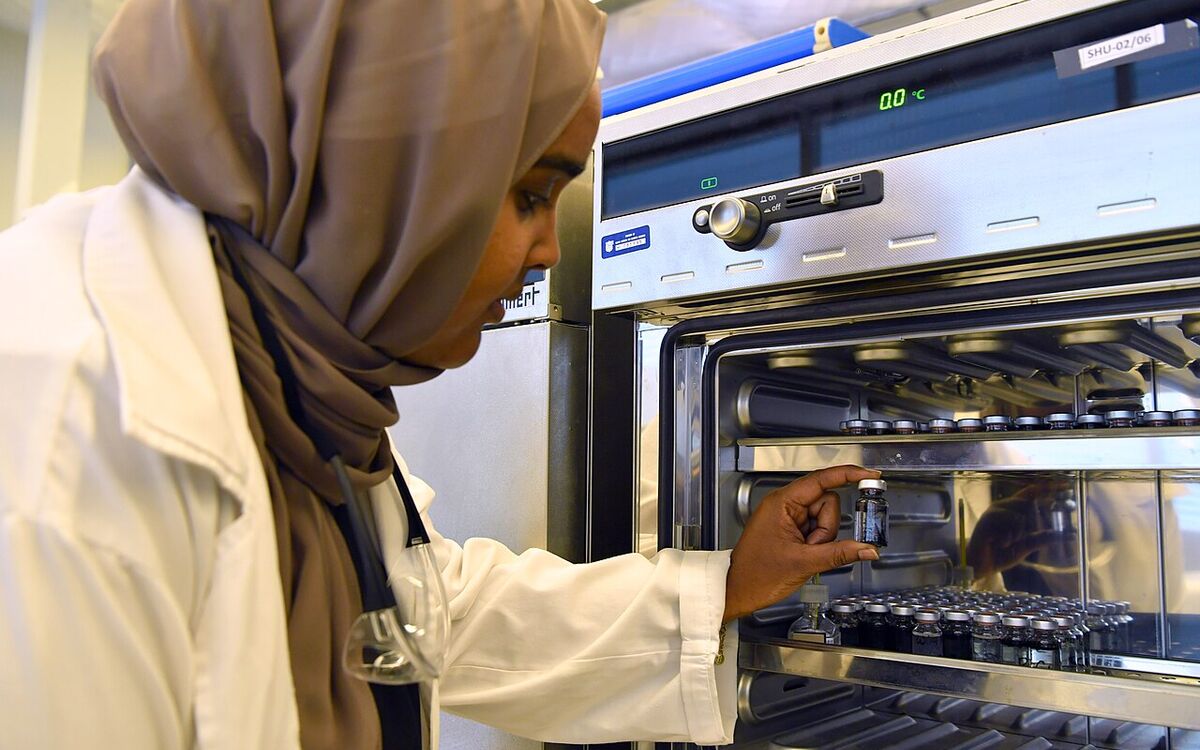
Microbiologically contaminated water
Bacteria in drinking water are a health risk, especially in well water after flooding or when the well is in poor condition.
Learn more →
Salty water
Excess chlorides and sodium make water taste salty and corrode pipes – reverse osmosis solves it.
Learn more →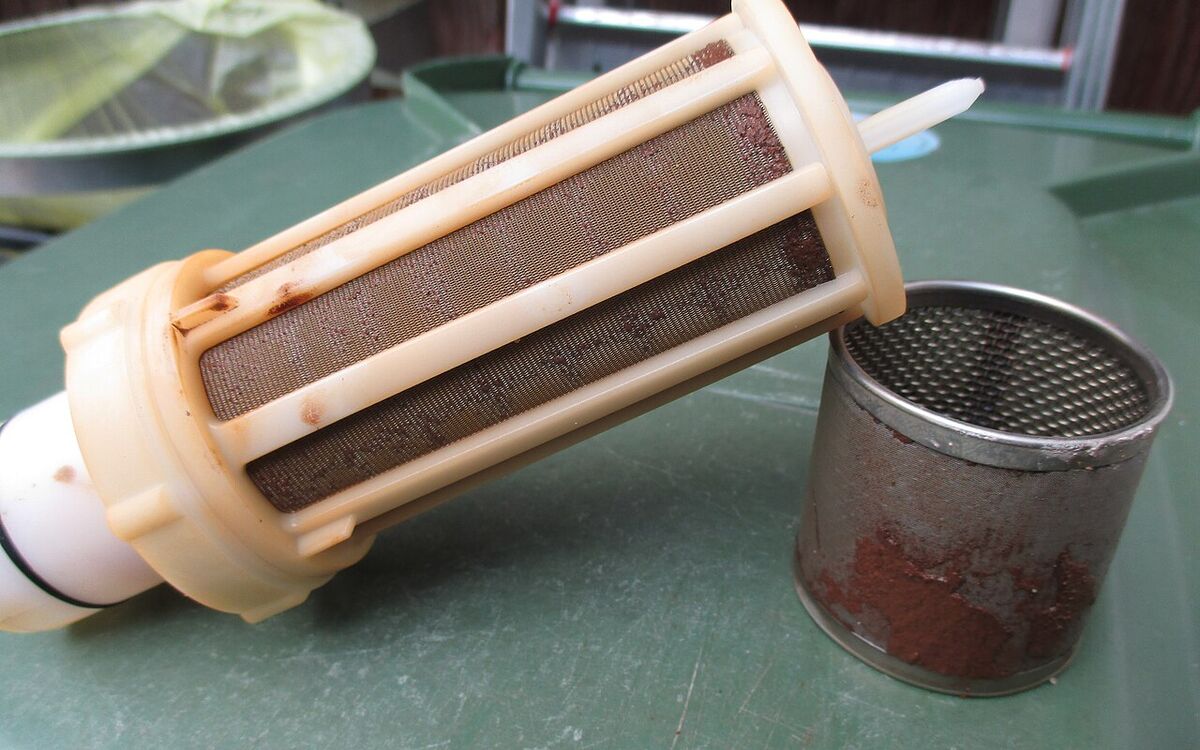
Mechanical sediment in water
Sand, clay and rust make water cloudy and clog equipment – a mechanical pre-filter solves it.
Learn more →
Special solutions
When water has several problems at once, we design a combined solution based on a water analysis.
Learn more →